THE LOG / MEND & REPAIR / 2 MIN READ
Look Before You Replace
A loose seam and a failed load-bearing strap are different jobs. Decide what is worth repairing before starting.
SMPLMN / Practical notes
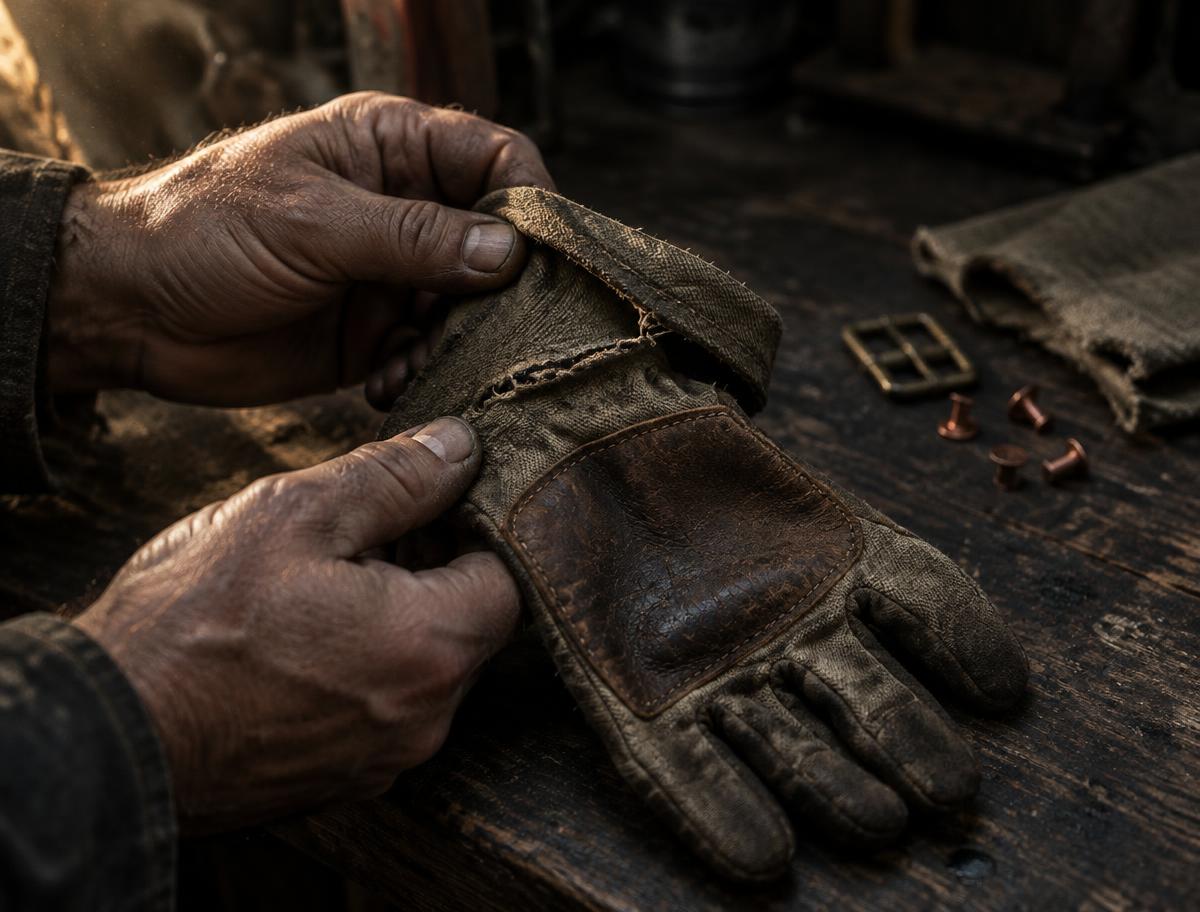
Name the failure
Look for the cause, not just the symptom. A seam may have opened because the thread wore out, or because the cloth itself is failing. Inspect fasteners, corners, and the areas beside the damage. Clean enough to see clearly. If the item protects someone or carries a dangerous load, use the manufacturer’s repair process rather than a home fix.
Choose the smallest sound repair
For everyday gear, compare the repair with the original construction. Match materials where possible and keep replacement parts compatible. Practise a stitch or adhesive technique on scrap before touching the item. Follow curing times instead of rushing it back into service. Stop if the repair would merely hide continuing damage. Sometimes salvaging a buckle or good fabric is the honest outcome.
Leave a record
Note what failed, what you changed, and what to inspect next. A photo before and after helps you see whether the repair is spreading stress elsewhere. Test ordinary repaired gear gently before returning to its usual use. Keep checking it. Repair is not a one-time promise that something is now as strong as new; it is a reasoned way to keep useful things working.