THE LOG / FOOD & SOIL / 2 MIN READ
A Small Bed Is Enough
Grow a little, observe a lot. A manageable garden teaches more than a neglected big one.
SMPLMN / Practical notes
Choose a workable spot
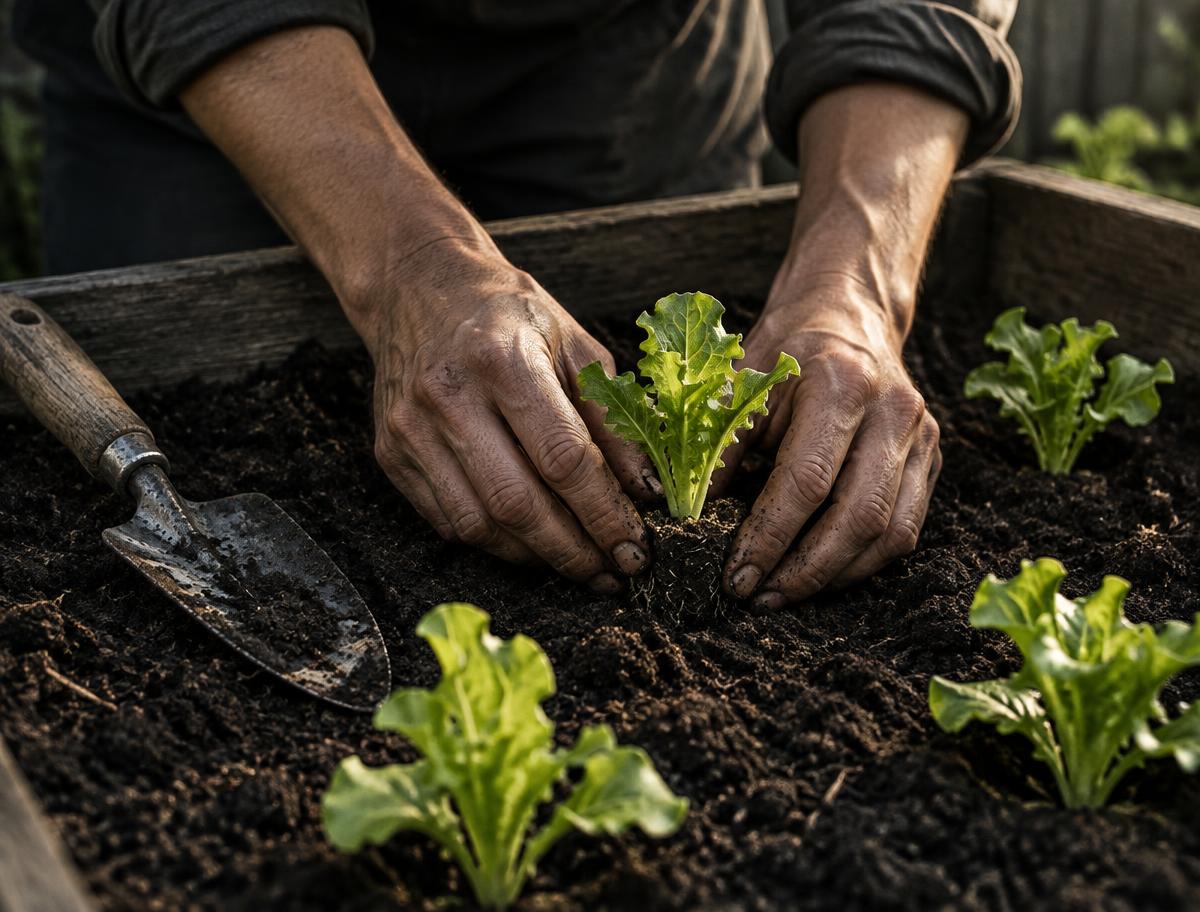
Watch the site through the day before planting. Light, access to clean water, and drainage will shape what succeeds. Choose crops suited to the season and your local climate rather than copying someone else’s garden. Keep the bed narrow enough to reach the center without stepping on it. A small, accessible patch makes regular attention much easier.
Learn what is already there
Soil texture and fertility are different things. A simple texture test helps you understand how water behaves; a local soil test can guide nutrient and pH decisions. Do not add fertilizer or lime by guesswork. Use finished compost appropriate for food gardens, and follow local extension guidance for manure and other amendments. More material does not automatically mean better soil.
Plant for attention
Follow the seed packet or nursery guidance for spacing and planting depth. Water gently and check the bed often, especially as seedlings establish. Keep a short record of planting dates, weather, and what struggled. Harvest a small success before expanding the bed. The aim is a routine that fits your life, not an impressive rectangle of ground.